

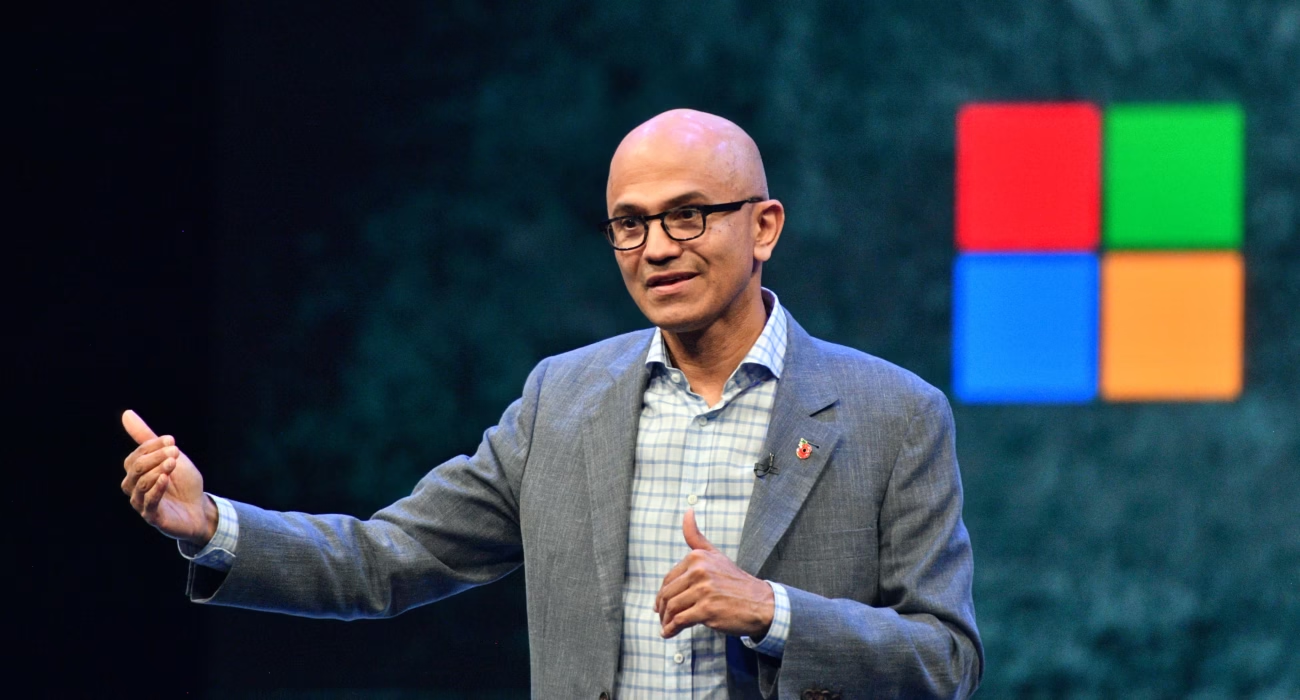
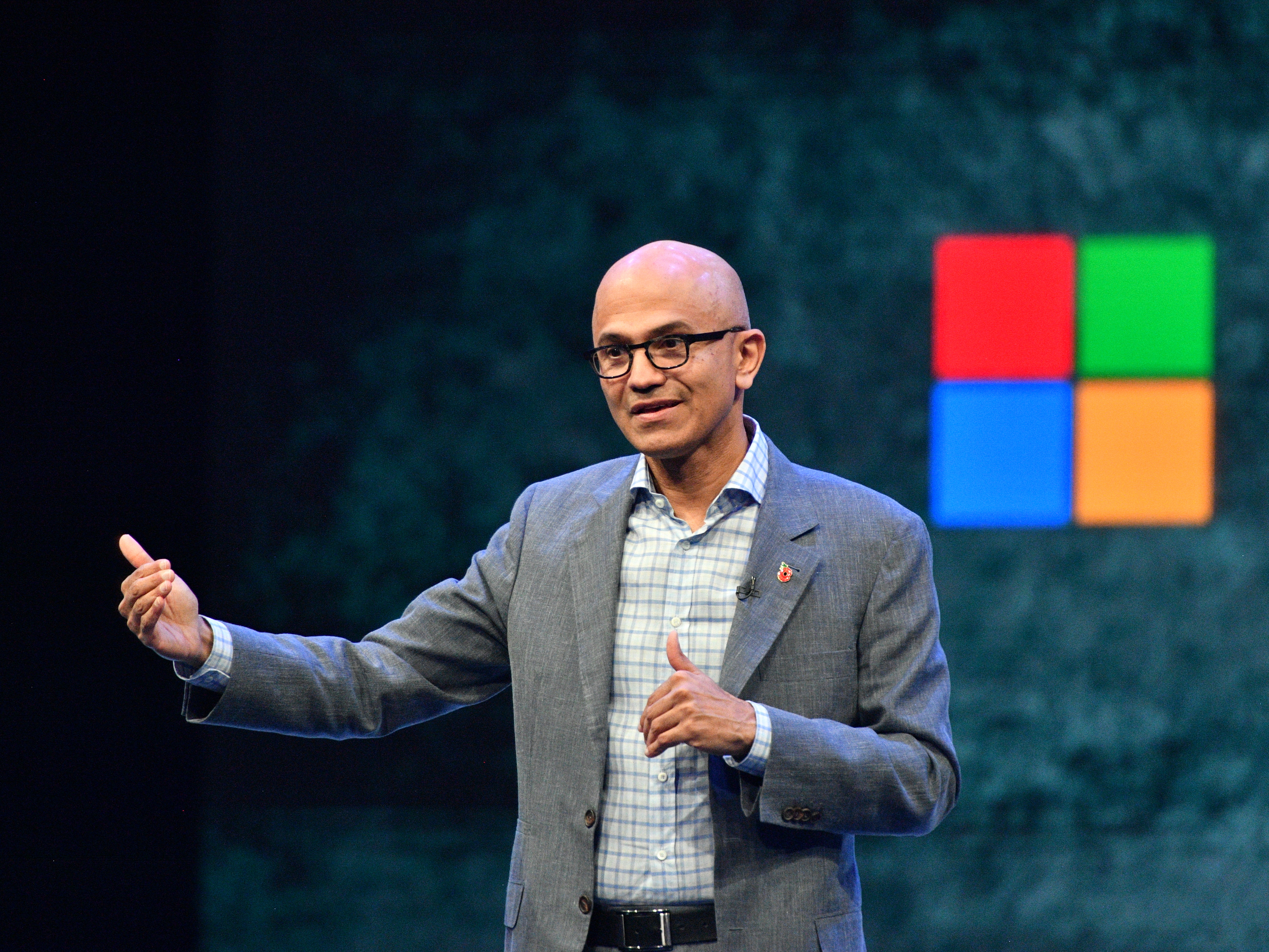
In a recent speech that has sparked global interest, Microsoft CEO Satya Nadella cautioned that artificial intelligence (AI) might soon disrupt some of the company’s most iconic products and potentially influence legacy technology, including those produced by DEC(Digital Equipment Corporation). Nadella’s statements highlight AI’s revolutionary capability and the problems it poses to both modern and legacy computing platforms.
AI: A Double-Edged Sword for Microsoft
Microsoft has long been an innovator in software, cloud computing, and productivity solutions. Its products, ranging from Windows operating system to Office Suite, have become indispensable in both enterprises and homes. However, Microsoft CEO Satya Nadella believes that, while AI has immense promise, it may disrupt the very products and systems that have traditionally defined the company’s success.
AI-driven disruption may potentially have an impact on legacy technologies pioneered by DEC, such as VMS, PDP, and early minicomputer systems. Nadella underlined that Microsoft must tread carefully through these transitions, upgrading its capabilities while recognizing the threats that AI poses to aging systems.
AI and DEC-Era Technologies
Microsoft CEO Satya Nadella stated that AI poses a danger not only to new apps, but also to older technologies that are widely used in businesses. Many businesses still use systems based on DEC hardware or software ideas. With AI automating processes, analyzing data, and improving workflows, some DEC-era technologies may become obsolete unless they are coupled with contemporary AI capabilities.
Nadella’s perspective underscores Microsoft’s recognition that disruption is not restricted to new products; AI has the ability to make existing corporate solutions obsolete. The organization is continually looking for ways to integrate historical systems with AI-powered solutions in order to avoid obsolescence and maximize productivity.
The Future of Microsoft Products
Satya Nadella, CEO of Microsoft, believes that AI is a transformational force rather than just an upgrade. Core products including as Word, Excel, and Teams are being updated with AI features such as automatic analysis, predictive insights, and workflow optimization. At the same time, Nadella warned that if Microsoft does not continue to innovate, even its most successful products risk becoming obsolete.
The integration of AI into Microsoft’s ecosystem intends to extend the longevity of legacy systems, including DEC-inspired technology, making them more relevant in an AI-driven future.
Nadella’s Perspective on AI-Driven Transformation
Microsoft CEO Satya Nadella has consistently framed artificial intelligence (AI) as a good, revolutionary instrument. However, he recognizes the multifaceted reality: AI can disrupt both current and legacy systems, resulting in winners and losers across technology ecosystems. Microsoft faces the issue of modernizing its products while incorporating older DEC-era technologies into AI-powered platforms.
To survive and thrive in the AI future, firms must embrace an innovative and adaptable culture, according to Nadella.
Balancing Innovation and Risk
A fundamental theme in Nadella’s warning is the need to balance the benefits of AI innovation with the risks of disruption. Microsoft has made significant investments in AI research, partnerships with OpenAI, and AI integration across its Microsoft 365 and Azure cloud services.
Despite these developments, Microsoft CEO Satya Nadella warned that AI might pose a risk to legacy products, especially those based on DEC-era technologies. By anticipating these changes, Microsoft hopes to upgrade older platforms so that they complement rather than compete with new AI-powered solutions.
Implications for Businesses and Consumers
Nadella’s warning extends beyond Microsoft: businesses relying on DEC-era systems or Microsoft products must reconsider their technology strategies in light of AI advancements. Companies may need to integrate AI tools to remain competitive, while consumers can expect smarter, more automated experiences.
Microsoft CEO Satya Nadella encourages organizations to adopt AI responsibly, blending legacy and modern technologies for optimized outcomes while maintaining security and efficiency.
Microsoft’s Strategic Response
Under Nadella’s leadership, Microsoft is developing a multifaceted AI approach to mitigate possible disruption:
- AI Integration in Microsoft 365: Enhancing programs such as Word, Excel, and Outlook with AI-powered automation and predictive capabilities.
- Azure AI Cloud Platform: Provides organizations with AI models and solutions for modernizing new and legacy systems.
- Partnerships with AI Leaders: Microsoft’s collaborations with OpenAI and others keep it at the forefront of AI innovation.
- Legacy System Modernization entails combining DEC-era technologies with AI to increase their relevance and effectiveness.
These initiatives demonstrate Microsoft’s commitment to responsible AI use while reducing the risk of losing market relevance in both modern and legacy technologies.
The Broader Tech Industry Impact
Microsoft CEO Satya Nadella’s warning highlights AI’s broad potential in the technology industry. From cloud solutions to enterprise software and outdated DEC-era systems, AI has the potential to change the competitive environment. Companies that refuse to innovate risk losing ground, whilst those who embrace AI could gain a significant edge.
Nadella’s statements also emphasize the value of transparency in leadership. By publicly discussing potential disruption, Microsoft exemplifies how tech titans should handle transformational technology.
Conclusion
Microsoft CEO Satya Nadella has sent a clear and grim message: AI will not only disrupt Microsoft’s current products, but it may also have an influence on legacy technology, particularly those based on DEC systems. By embracing AI innovation while upgrading older systems, Microsoft hopes to maintain its competitive advantage in a fast changing digital market.
For investors, businesses, and consumers, Nadella’s insight is a call to action: AI is both an opportunity and a challenge, and its careful use is critical for future success.